Budgeting for a Water Line Installation Project
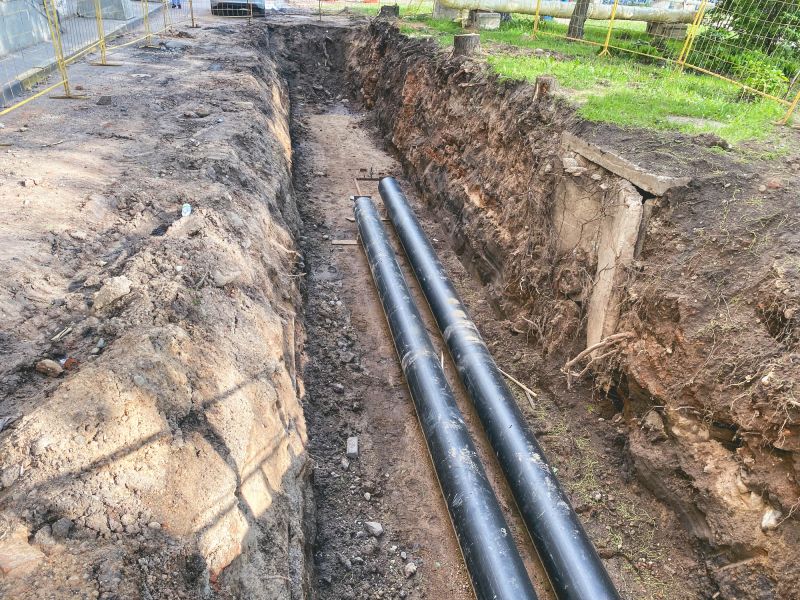
Longer water lines require more materials and labor, increasing overall costs.
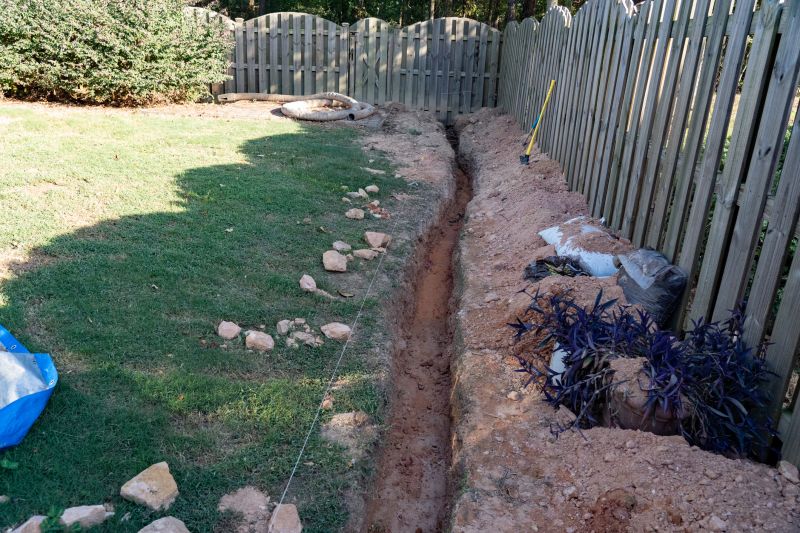
Difficult terrain or rocky soil can elevate excavation and installation expenses.
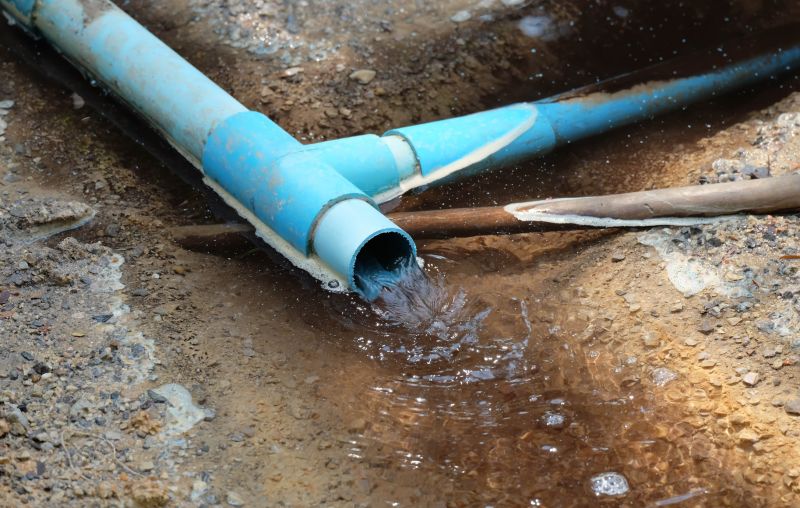
Higher-quality pipes and fittings tend to cost more but offer durability and longevity.
| Factor | Impact on Cost |
|---|---|
| Line Length | Longer lines increase material and labor expenses. |
| Soil Type | Rocky or unstable soil can raise excavation costs. |
| Material Type | Premium materials cost more but last longer. |
| Depth of Installation | Deeper lines require more extensive excavation. |
| Permitting Requirements | Additional permits can add to overall costs. |
| Accessibility | Easier access reduces labor time and costs. |
| Local Labor Rates | Higher rates increase total installation expenses. |
| Weather Conditions | Adverse weather can delay work and increase costs. |
Additional considerations include the need for trenching, backfilling, and connection to existing plumbing systems. Unexpected issues like encountering underground utilities or difficult soil conditions can also affect the final cost. Consulting with experienced professionals can provide accurate estimates tailored to specific project requirements.
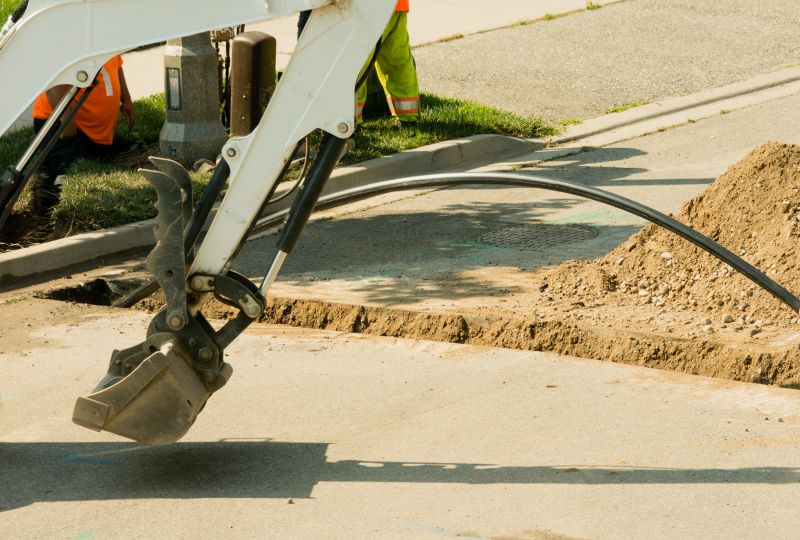
The type and size of trenching machinery impact excavation costs.
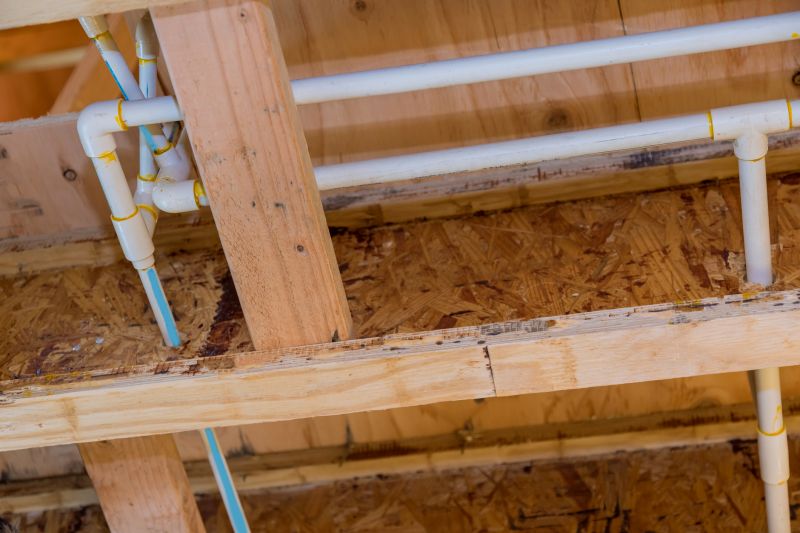
PVC pipes are cost-effective, while copper offers durability at a higher price.
Complex connections or upgrades can add to installation expenses.
| Service | Average Cost Range |
|---|---|
| Residential Water Line Installation | $3,000 - $8,000 |
| Commercial Water Line Installation | $10,000 - $50,000 |
| Water Line Repair | $500 - $2,500 |
| Water Line Replacement | $4,000 - $15,000 |
| Trenching and Excavation | $1,000 - $5,000 |
| Permitting and Inspection | $200 - $1,000 |
| Material Supply | $500 - $3,000 |
| Water Meter Installation | $300 - $1,000 |
| Leak Detection and Repair | $200 - $1,500 |
| Backflow Prevention Device Installation | $400 - $1,200 |